Serving the Global Real Estate Industry Since 1951
Welcome to FIABCI
Start the experience


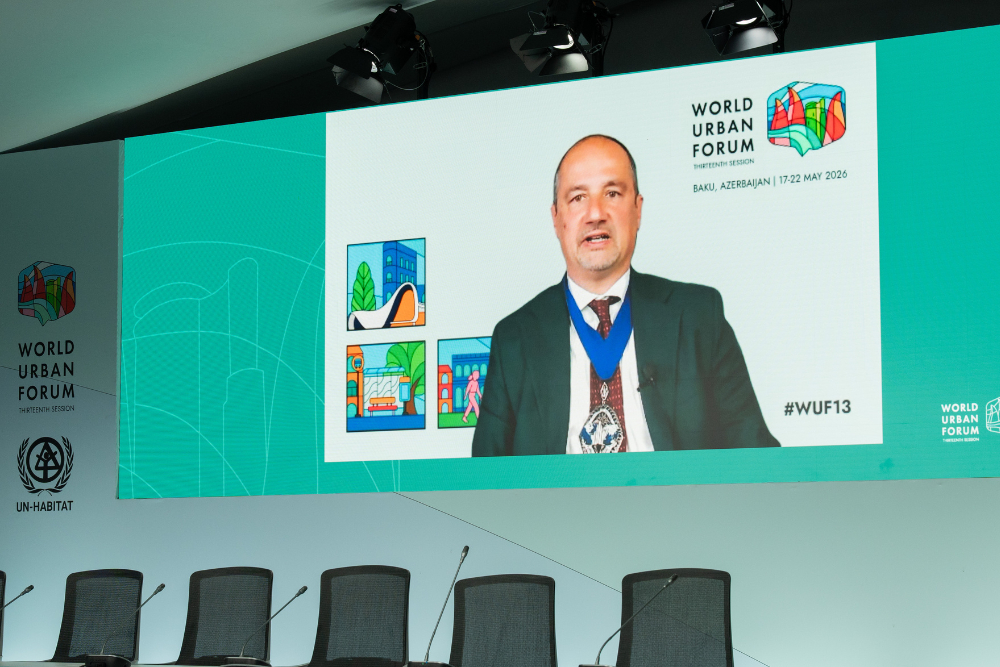
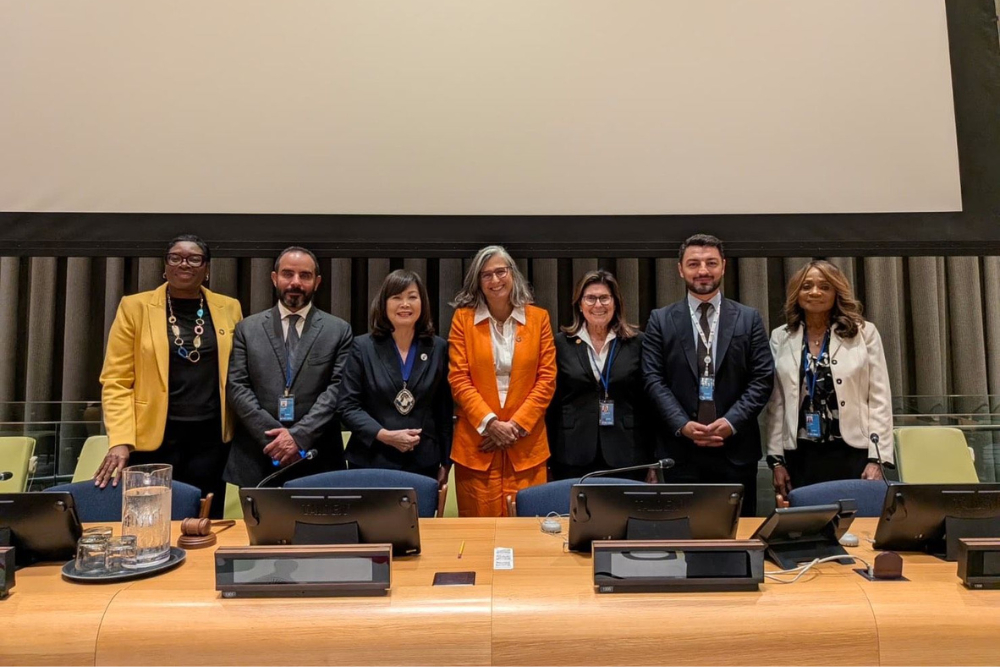
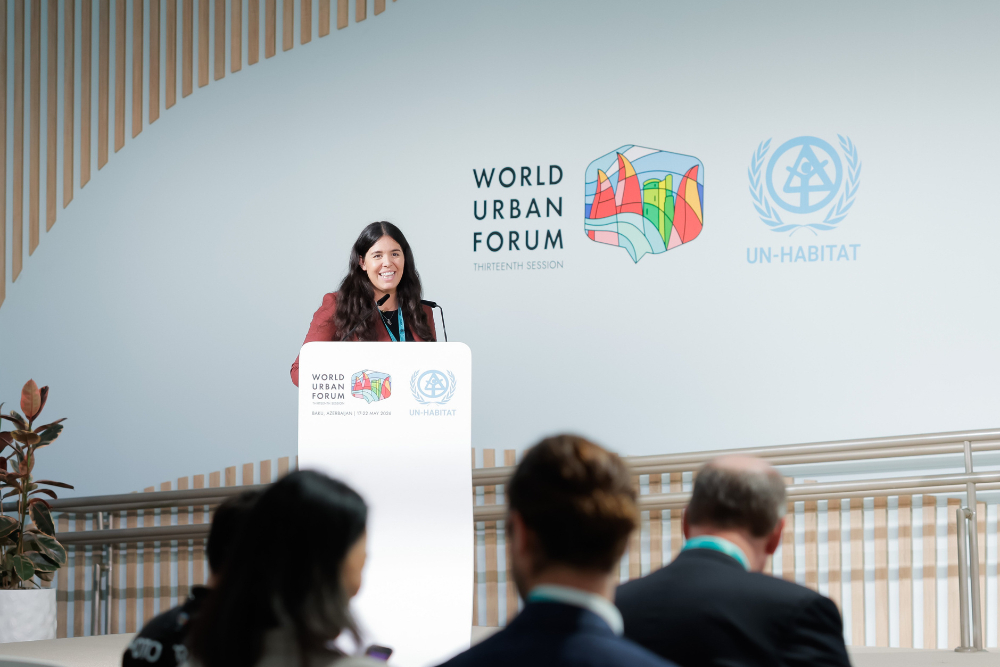
At the Thirteenth Session of the World Urban Forum (WUF13), FIABCI delivered a clear and forward-looking message: housing is no longer solely a social issue; it is a strategic infrastructure essential to the stability, resilience, and competitiveness of cities worldwide.
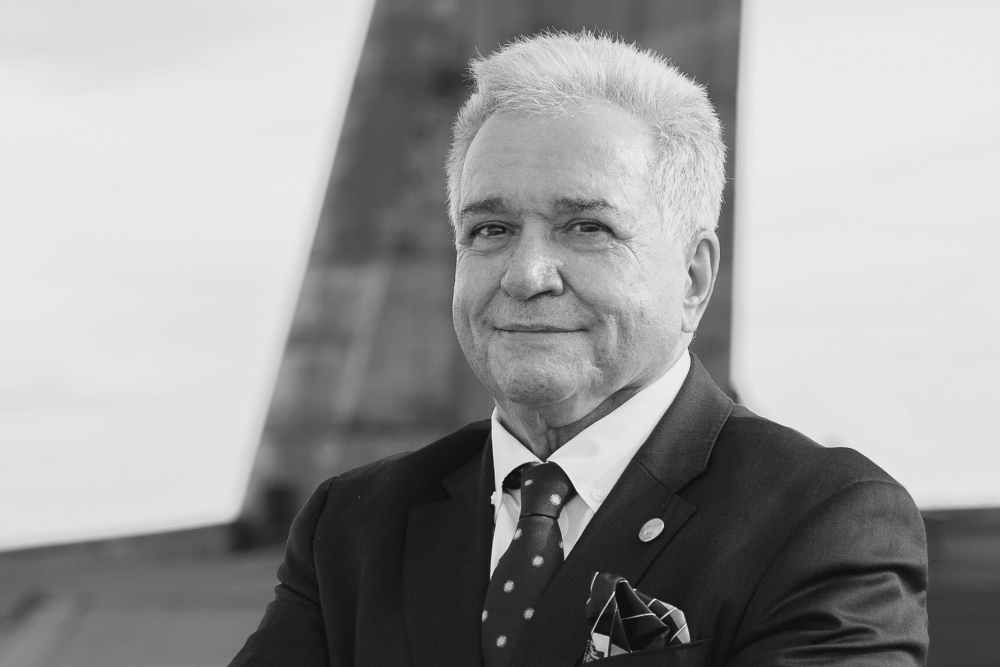
Representing FIABCI, World President Antonio Campagnoli emphasized the urgent need for a systemic shift in how housing is approached globally. “The future of urban development depends on our ability to create trust between institutions, private capital, communities, and long-term operators,” he stated, highlighting his experience in public-private partnerships (PPPs) and emerging 5P models.
Throughout WUF13, FIABCI contributed to high-level discussions, including the UN-Habitat Business Roundtables and Professionals Forum, where a central theme emerged: sustainable housing cannot be delivered by isolated actors. Instead, it requires integrated ecosystems connecting finance, governance, technical expertise, and human relationships.
A key focus of FIABCI’s contribution was the evolution from traditional PPP models to a broader 5P framework—Public, Private, People, Policy, and Partnerships. This approach recognizes that effective urban development relies not only on capital investment but also on community engagement, transparent governance, and long-term operational capacity.
Antonio Campagnoli underscored that the concept of “de-risking” must extend beyond financial considerations. True de-risking begins with stable governance, early community involvement, transparent frameworks, and alignment between social impact and economic sustainability.
During the session “The Global Housing Crisis – What’s the Plan?”, FIABCI joined leading global stakeholders to explore scalable solutions for affordable housing. The World President highlighted a fundamental principle: housing is ultimately a matter of trust: between institutions and citizens, public and private sectors, and within communities themselves.
FIABCI also actively contributed to the Business Roundtable “De-Risking Housing Finance: Unlocking Private Capital for Adequate Housing at Scale,” organized within the UN-Habitat framework. The roundtable provided an important international platform to explore how housing investment can become more bankable, resilient, and socially sustainable through stronger cooperation between institutions, financial actors, the private sector, and communities.
In his intervention, Campagnoli emphasized the 5P approach—Public, Private, People, Policy, and Partnership—as a long-term de-risking model capable of strengthening governance, building trust, and fostering deeper community engagement. Discussions across both segments of the roundtable brought together a diverse group of global leaders from public institutions, financial organizations, and industry, reinforcing the importance of cross-sector collaboration in unlocking private capital at scale.
The exchange further highlighted that the future of housing will depend not only on the availability of capital, but on the quality of partnerships and the strength of long-term urban governance frameworks.
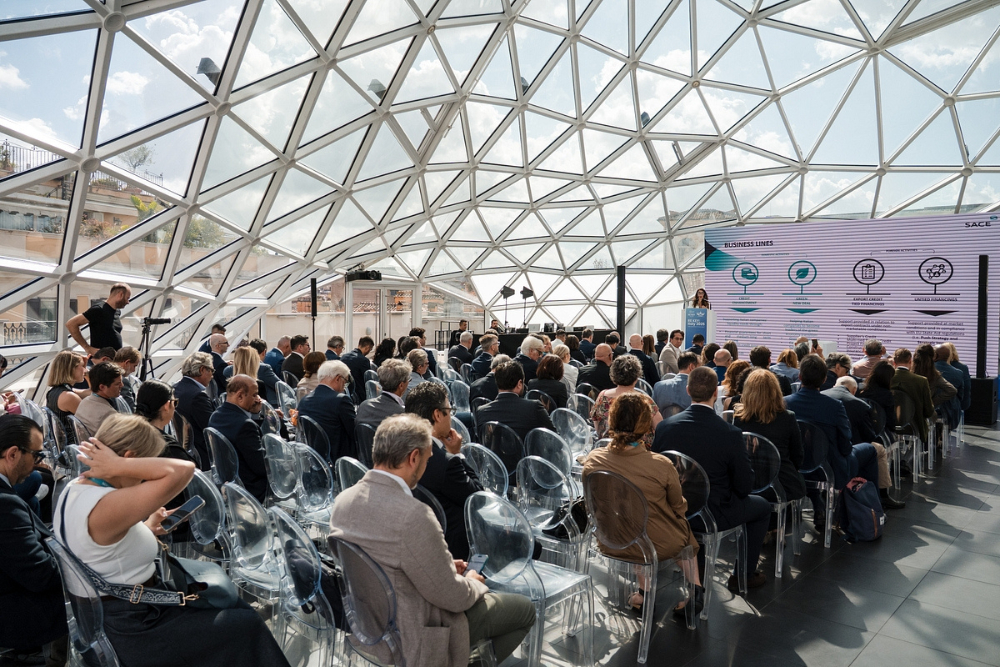
FIABCI also hosted a dedicated session at the Business & Innovation Stage titled “Urban Value Chain in Action: Business Leadership for Inclusive, Smart and Sustainable Cities.” The discussion addressed a growing paradox: while cities are advancing rapidly through technology, finance, and innovation, they are simultaneously facing increasing housing pressure, declining affordability, and social fragmentation.
Panelists emphasized that future urban value will be created through collaborative ecosystems. Topics included the role of AI and PropTech, the evolving function of financial institutions as ecosystem actors, and the importance of sustainability as an operational reality tied to affordability and long-term urban quality.
A particularly powerful insight emerged around the role of space in shaping human experience. Urban environments are not neutral: they influence behavior, identity, belonging, and trust. As such, future housing and urban development must incorporate spatial impact strategies designed to foster community interaction and long-term social cohesion.
FIABCI’s presence at WUF13 was further highlighted by its booth at the Urban Expo (A47), themed “Creating a Better Urban Future, Inspiring a Better Life,” reinforcing its commitment to advancing sustainable and inclusive urban development worldwide.
As global urban challenges intensify, FIABCI calls for a renewed focus not just on building more housing, but on creating resilient urban communities capable of enduring over time. The path forward lies in cooperation, co-design, and a shared commitment to shaping cities that serve both people and future generations.
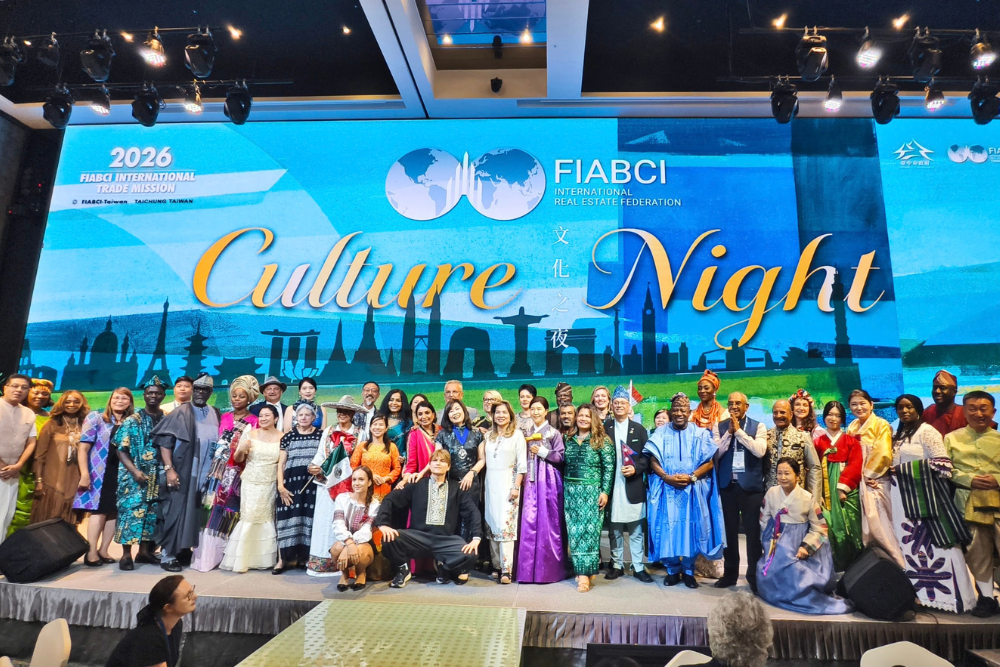
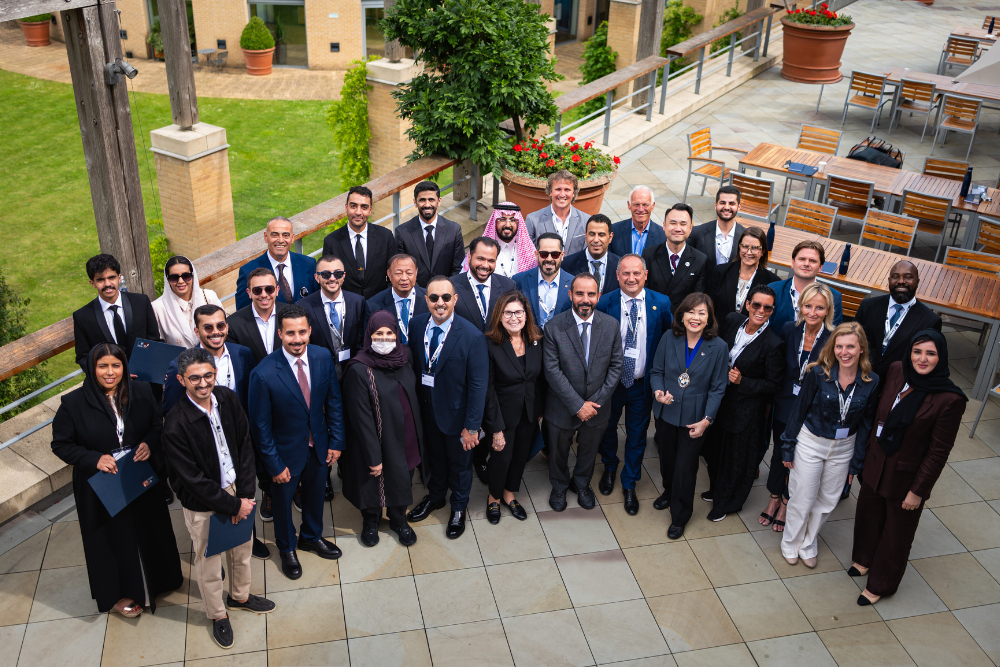
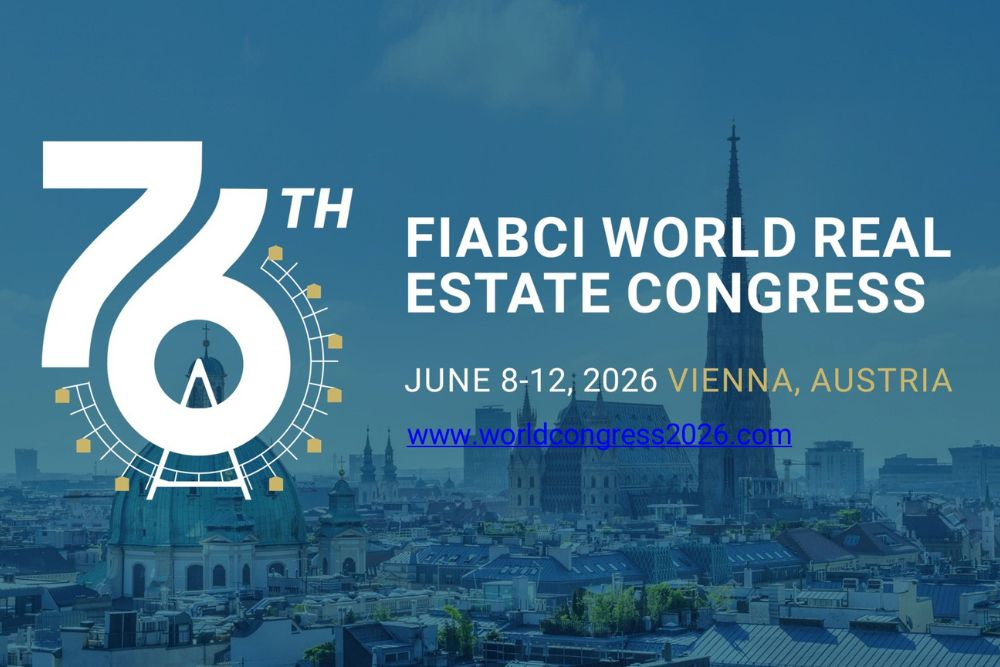






FIABCI members are located in all continents and represent 40 professions of the real estate industry.


Unlock new business opportunities to reach your full potential while sharing and inspiring best practices with like-minded professionals. If you are interested in becoming a member of the most representative real estate organization in the world, please click on “Join FIABCI” to start the pre-registration process. Once the first step is fulfilled successfully, the respective Chapter (National Federation) will contact you to provide necessary documentation and admission requirements, including the membership fee structure.

FIABCI, the International Real Estate Federation, is a business networking organization for all real estate professionals worldwide.







































![[Webinar Summary] COVID-19: What lies ahead for the Real Estate Industry?](/uploads/news/9i1w05plq2ksbcswuyj5ze2nr.png)